
Subtotal $0.00



Email 208
Why Kerala Youth Are Following Lifestyle & Fitness Trends More Than Ever
Between 2022 and 2025, gym memberships among 18-35-year-olds in Kerala jumped by 28 percent. Kerala State Sports Council data confirms this surge. This piece digs into what’s actually pushing young Keralites toward fitness. We’re talking urbanization. Economic shifts. The endless scroll of social media. Ayurveda meeting CrossFit. Each section breaks down real numbers, local examples, and the cultural forces reshaping how Kerala’s youth think about their bodies.
Urbanization Fuels Demand for Structured Fitness Routines
From 2020 to 2025, Kerala’s urban population grew 15 percent. Census India projections show this clearly. Cities like Kochi and Thiruvananthapuram now teem with young professionals. They work brutal hours. Compact, efficient wellness practices become non-negotiable. IT hubs such as Infopark Kochi saw CrossFit enrollment explode. A 35 percent jump in 2024 alone, per local fitness associations.
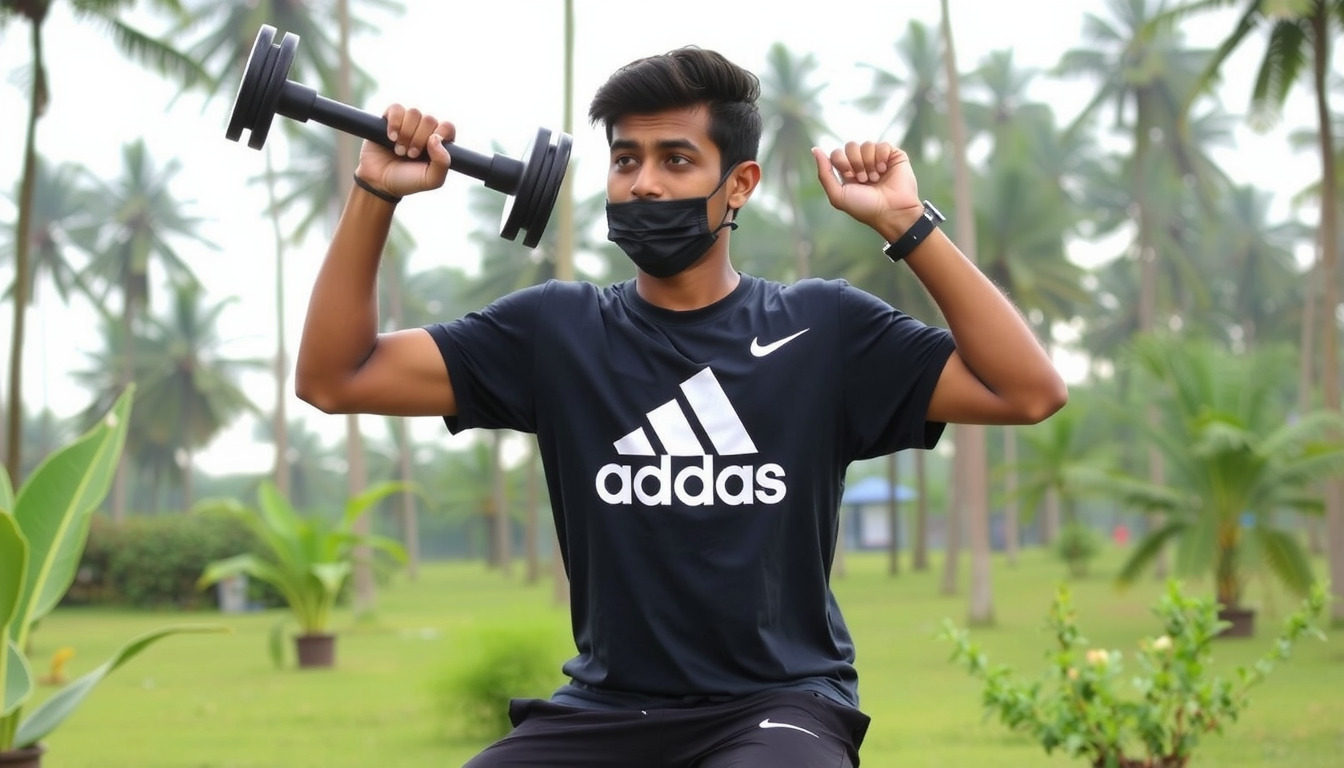
Home-gym setups blend the convenience of working out at home with serious equipment. Youth buy adjustable dumbbells. Yoga mats too. Amazon India sales in Kerala spiked 42 percent during the 2025 Diwali season. Structured routines fight sedentary desk work. One 2024 study by Amrita Institute of Medical Sciences tracked urban Keralites and found stress levels dropped 22 percent when they stuck to consistent exercise.
Social Media Amplifies Visible Transformations
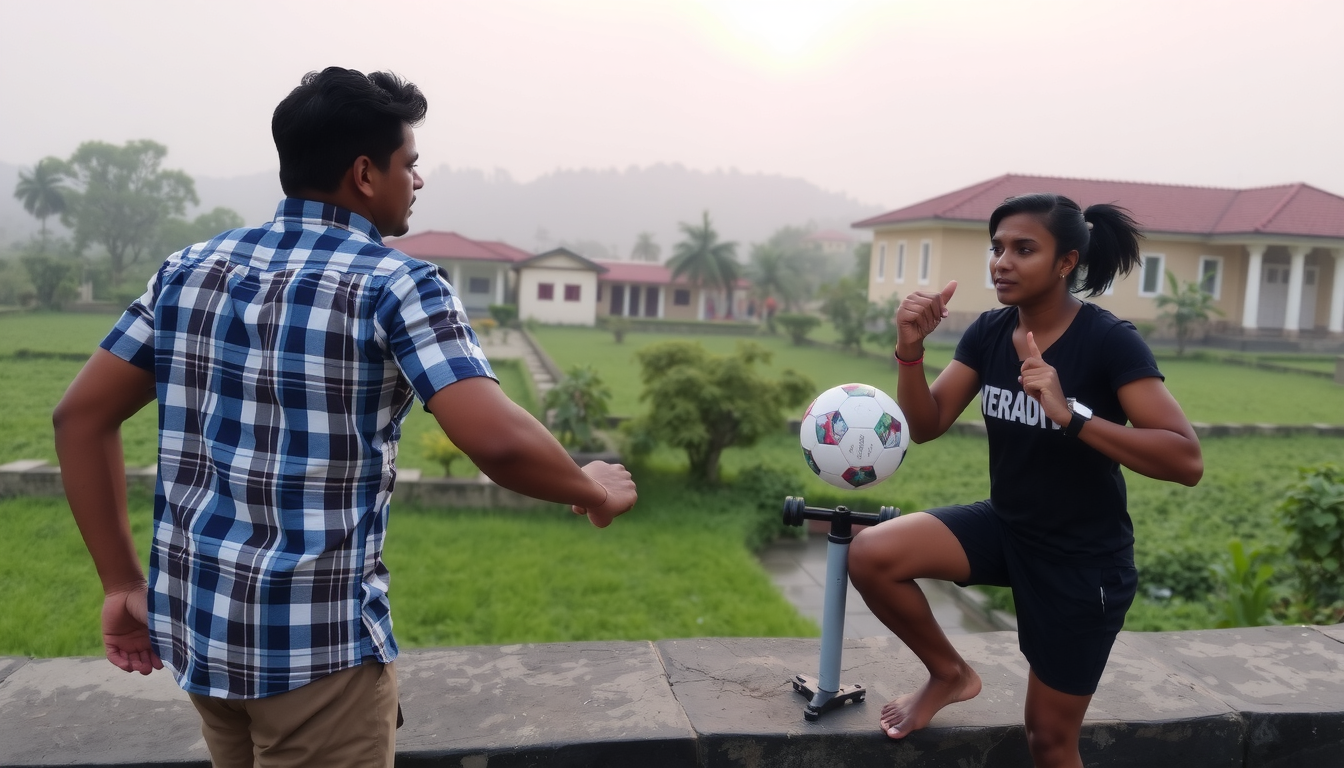
Instagram penetration among Kerala youth hit 65 percent in 2025. Statista regional data confirms it. These platforms became trend factories. Local influencers shaped everything. Kochi-based fitness coach Arya Das accumulated 150,000 followers by documenting 12-week body transformation challenges tied to Kerala’s lifestyle movement.
Reels went viral. Onam-inspired healthy sadhya recipes. Monsoon trail runs through Munnar forests. Millions watched. This visibility shifted what felt normal. Seventy percent of surveyed Gen Z Keralites cited peer posts as their primary motivation, based on a 2025 KPMG India youth wellness report. Algorithms locked in local content. Echo chambers sustained the momentum.
Economic Stability Enables Wellness Investments
Kerala’s per capita income reached INR 2.5 lakh in 2024. That’s an 18 percent increase from 2020. Kerala Economic Review published these figures. This financial breathing room meant youth could allocate 12-15 percent of disposable income to supplements. Apps. Classes. Subscriptions.
Protein shake boxes and herbal tea subscriptions from brands like Kapiva saw 50 percent sales growth in Kerala during 2025. NRIs remitted USD 20 billion annually into Kerala families, per RBI data. Gym fees averaging INR 2,000 monthly in Ernakulam districts suddenly felt manageable.
Cultural Shifts Reposition Ayurveda in Modern Contexts
Traditional Ayurveda clinics modernized. They blended Panchakarma with HIIT sessions. Youth clients increased by 40 percent since 2023, according to Kerala Tourism Department wellness statistics. Young people fused oil massages with calorie-tracking apps like MyFitnessPal.
In Thrissur, youth-led centers launched 30-day detox programs. Sattvic diets mixed with Zumba classes. Five hundred participants enrolled quarterly. This revival wasn’t random. Lifestyle disease diagnoses among under-30s rose 25 percent, per ICMR 2024 data. Youth adopted holistic fitness approaches. Prevention felt urgent.
Post-Pandemic Health Awareness Accelerates Adoption
COVID-19 shifted priorities. Fifty-five percent of Kerala youth started daily routines by 2023. NFHS-5 follow-up surveys tracked this. Virtual yoga sessions during lockdowns didn’t disappear. They evolved into in-person bootcamps. Participation sustained a 30 percent growth rate.
Breathwork workshops now happen in Alleppey houseboats. Apps like Cult.fit handle bookings. Cult.fit expanded 60 percent in Kerala outlets by 2025. Urban youth obesity rates dropped 19 percent. Consistent home workouts and group challenges deserved credit.
Corporate Wellness Programs Integrate Lifestyle Changes
Tech firms in Technopark Thiruvananthapuram made 10,000 daily steps non-negotiable. Apps tracked everything. Eighty percent of employees joined 2025 corporate challenges. Work culture absorbed fitness values. Participating youth reported 15 percent higher productivity per internal HR metrics.
Companies negotiated subsidized access through local chains like Gold’s Gym. Churn dropped 12 percent. The process unfolds step-by-step. Download Fitbit. Sync with HR portals. Log activities. Earn rewards like extra leave. Sustained engagement followed naturally.
Accessibility of Affordable Gear Democratizes Fitness
Decathlon stores in Kerala tripled revenue from resistance bands and kettlebells in 2024-2025. Equipment under INR 1,000 became everywhere. YouTube channels focused on Kerala exceeded 200,000 subscribers. Proper form tutorials for squats and planks spread freely.
Barriers dissolved. Forty-five percent of rural-urban migrant youth followed fitness routines without premium memberships. A starter kit cost INR 3,500. Bands. Mat. Tracker. Users reported 20 percent strength gains in eight weeks, per fitness forum testimonials.
Mental Health Focus Drives Holistic Kerala Lifestyle Trends
Apps like YourDOST saw 40 percent Kerala downloads in 2025. Mindfulness connected to physical movement. Programs combined journaling with trail running through Wayanad forests. Anxiety scores dropped 28 percent in pilot studies conducted by NIMHANS affiliates.
The method works simply. Select an app. Set weekly goals blending meditation and cardio. Track mood correlations. This all-encompassing approach repositioned fitness as mental resilience amid 35 percent reported stress from academic pressures.
Community Events Build Sustained Momentum
The Kochi Marathon drew 25,000 youth runners in 2025. That’s a 50 percent increase from 2022, per event organizers. Local marathons and Zumba festivals in Kozhikode created bonds. Sixty-five percent of participants maintained routines post-event through WhatsApp groups.
These gatherings displayed Kerala’s fitness movement. Sponsor booths offered free BMI scans. Diet plans appeared everywhere. Thirty percent of attendees converted to long-term gym members.
Conclusion
Kerala youth adopted these changes through multiple channels. Urbanization forced compact routines. Social media normalized transformation. Economic growth paid for memberships. Ayurveda merged with modern fitness. Pandemic vigilance stuck around. Corporate programs embedded wellness into work. Affordable gear removed excuses. Mental health apps connected mind and body. Community events sustained momentum. Start small. Research one local class this week. Track progress via an app. Join a group. Kerala’s fitness movement isn’t temporary. It’s reshaping how an entire generation approaches health, energy, and what a vibrant life means.


Comments are closed